Procreate Knitted Texture Fabric Brushes: A Designer's Review
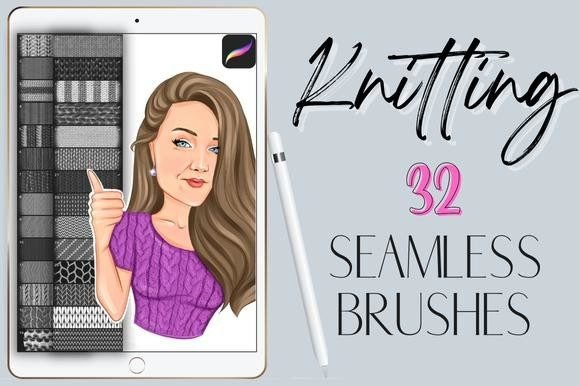
There’s a certain warmth that digital art often struggles to replicate. We spend hours trying to add depth, grain, and soul to flat vectors, often settling for generic noise filters. If you’ve been searching for a way to bridge the gap between the convenience of the iPad and the tactile feel of physical art, the Procreate Knitted Texture Fabric Brushes are a game-changer. This collection of 32 Knitted Texture Fabric Brushes for Procreate isn't just a set of tools; it's a shortcut to adding intricate, organic character to your work. Whether you are a textile designer, a branding specialist, or a hobbyist who loves cozy aesthetics, these brushes offer a tactile experience that standard digital tools simply cannot match.
Why Texture Matters in Modern Digital Design
In an era dominated by flat design and sans serif font minimalism, texture has become a premium differentiator. It creates visual hierarchy and emotional resonance. When you use these Procreate Knitted Texture Fabric Brushes, you are introducing a layer of complexity that draws the eye. The patterns range from tight cable knits to loose, chunky weaves. This variety allows you to control the "personality" of your piece. A tight weave suggests structure and professionalism, while a loose, looping texture implies comfort and approachability.
From a brand identity perspective, texture is vital. If you are working with a client in the lifestyle, fashion, or artisanal food sector, using these brushes can instantly communicate the quality of their product. Imagine designing a label for a yarn shop or a social media campaign for a winter collection. Instead of using a flat color block, you can paint the background with a knitted texture. It adds a level of sophistication that elevates the project from amateur to premium font and asset territory.
Practical Applications: Beyond Just "Drawing Yarn"
The utility of the 32 Knitted Texture Fabric Brushes for Procreate extends far beyond literal illustrations of sweaters. As a designer or content creator, you need to think about how these assets integrate into broader workflows.
Editorial and Publishing Design
For editorial design, these brushes are incredibly effective for creating spot illustrations or background fills that don't overpower the typography. If you are laying out a magazine spread or a blog header, a subtle knitted pattern can anchor a script font or a bold serif font. The texture acts as a visual bridge, softening the transition between text and negative space. It works particularly well for seasonal content—think holiday guides, autumn lookbooks, or lifestyle blogs.
Packaging and Product Mockups
If you are involved in packaging design, texture is your best friend. It helps customers "feel" the product before they buy it. Using these brushes to create mockups allows you to simulate fabric labels or textured paper inserts. For small business owners creating their own branding, these brushes are a cost-effective way to simulate high-end printing techniques like embossing or debossing digitally.
Digital Marketing and Social Media
On platforms like Instagram and Pinterest, scroll-stopping power is everything. A flat graphic often gets lost in the feed. However, a background created with Procreate Knitted Texture Fabric Brushes adds depth that makes the image pop. These textures pair exceptionally well with modern web design trends that favor organic shapes and earthy tones. You can use them to create custom Instagram story templates or Pinterest pins that feel curated and handcrafted.
Integrating Texture with Typography
One of the most common questions in design is how to pair assets. Texture should complement, not compete with, your typography. If you are using a highly decorative handwritten font, a busy knitted background might cause visual clutter. In that case, use the brushes sparingly—perhaps as an underline or a border element.
Conversely, if you are using a clean, geometric display font, you can afford to use a bolder, more visible knitted texture in the background. The contrast between the sharp, digital edges of the typeface and the soft, organic loops of the brush creates a compelling visual tension. This is a hallmark of modern typography application: mixing the rigid with the fluid.
How to Get the Most Out of Your Brushes
To truly master these tools, you need to understand their flexibility. The listing highlights a crucial feature: These brushes can be used with any color! This is not a limitation of baked-in textures; it is a dynamic tool.
- Color Theory Application: Don't just stick to grey or beige. Try applying the brushes with neon colors for a retro vibe, or use deep jewel tones for a luxurious feel. Because the brushes interact with the color you select, you can create complex shading by layering two different colors with low opacity.
- Blending Modes: Experiment with Procreate’s blending modes. Applying a knitted brush with the "Multiply" or "Overlay" blend mode can make the texture look like it is physically woven into the layer below it.
- Monogramming: Use a large, soft airbrush version of the texture to fill in large letterforms in a logo design. This creates a "filled text" effect that looks incredibly high-end.
Technical Considerations and Workflow
It is important to note the technical specifications to ensure a smooth workflow. As stated in the product details, You will get: 1 zip file with various brushes (32 different patterns). Organization is key here. Once you unzip the file, I recommend creating a specific folder within Procreate called "Textures" or "Fabric Brushes" so you aren't digging through your entire library when inspiration strikes.
Furthermore, These are digital brushes which will only work in the Procreate App for iPad with Apple Pencil. They will not work in other applications. This exclusivity ensures that the brushes are optimized for the iPad's pressure sensitivity and tilt functionality. When you press harder with your Apple Pencil, you should see a change in the density or spread of the knit pattern. This responsiveness is what separates a premium font and asset collection from a generic one.
Evaluating Project Fit
Not every project requires a knitted texture. Knowing when to use them is part of your professional judgment. These brushes are ideal for:
- Lifestyle and Fashion Brands: Essential for creating mood boards and visual assets.
- Children’s Book Illustrations: Adds a soft, safe, and tactile quality to characters.
- Stationery Design: Perfect for creating backgrounds for greeting cards or invitations.
However, for corporate finance reports or ultra-minimalist tech startups, a knitted texture might feel out of place unless used very abstractly. Always ask yourself: does this texture support the story I am trying to tell?
Final Thoughts on Creative Assets
Investing in high-quality design assets like the Procreate Knitted Texture Fabric Brushes is an investment in your efficiency and creativity. Instead of spending hours trying to draw a realistic weave from scratch, you have 32 variations ready to go. This allows you to focus on the bigger picture—composition, color theory, and client communication.
Whether you are a seasoned professional looking to expand your toolkit or a hobbyist wanting to make your digital sketches feel more like physical art, these brushes deliver. They bridge the gap between the digital canvas and the physical world, adding that missing layer of warmth and authenticity to your brand identity and creative projects. So, select your color, pick a pattern, and have fun exploring the endless possibilities of digital texture.